Buy r9.eu ?
We are moving the project
r9.eu .
Are you interested in purchasing the domain
r9.eu ?
domain@kv-gmbh.de · 0541-91531010
Buy r9.eu ?
What is an electrophilic reaction?
An electrophilic reaction is a type of chemical reaction where an electrophile, which is a species that seeks electrons, reacts with a nucleophile, which is a species that donates electrons. The electrophile accepts a pair of electrons from the nucleophile, leading to the formation of a new chemical bond. This type of reaction is common in organic chemistry and is often used to introduce new functional groups onto a molecule. **
Is water electrophilic or nucleophilic?
Water is considered nucleophilic because it has a lone pair of electrons on the oxygen atom, which can be donated to an electrophile in a chemical reaction. This lone pair of electrons allows water to act as a nucleophile, meaning it can attack positively charged or electron-deficient species in a chemical reaction. **
Similar search terms for Electrophilic
Top-Angebote
Products related to Electrophilic:
-
Klutz: LEGO GadgetsThis activity kit will have you building 11 machines including a gravity powered car and a wacky boxing robot. The fun doesn't stop once you've completed all of the projects in the book - open-ended prompts will inspire you to continue experimenting...24,99 $*Shipping: 0,00 $Secure redirect to the provider
-
Sesderma Reti Age 5 Liposomal Serum Anti-Aging Innovation 30mLA facial serum for wrinkles and signs of ageing. Reduces wrinkles and fine lines. Hydrates and strengthens barrier. Restores youthful radiance. 5-Retinoid System: smooths wrinkles, accelerates renewal, and boosts collagen. Biomimetic Peptides: fill expression lines by stimulating collagen synthesis.53,26 £*Shipping: 5,22 £Secure redirect to the provider
-
Hikmicro MINI2 V2 Thermal Imaging Camera for SmartphonesHikmicro MINI2 V2 Thermal Imaging Camera for Smartphones (Mini2-Series-V2) The Hikmicro MINI2 V2 Thermal Imaging Camera turns a smartphone into a professional thermal imager. With its high-resolution 256 x 192 VOx sensor (49,152 pixels) and SuperIR image enhancement, it produces clear thermal images for diagnostics, inspections and everyday problem-solving. Suited to HVAC engineers, electricians, plumbers, homeowners and hobbyists, the MINI2 V2 is compact, lightweight and battery-free, powered directly from the connected phone. It measures -20°C to 400°C for reliable results across a wide range of applications, with no screen of its own — all viewing and control happens through the smartphone via the HIKMICRO Viewer app. Key Features & Benefits High Thermal Resolution:186,00 £*Shipping: 0,00 £Secure redirect to the provider
-
Multisell Products Hub Magnetic Bottle Opener For Household Mineral Water Plastic Beverage Bottles And Cap Opening, Kitchen Accessories Gadgets whiteEffortless Cap Opening for Everyday Kitchens Upgrade your routine with this 1 pcs Kitchen Accessories Gadgets Magnetic Bottle Opener for Household Mineral Water Plastic Beverage Bottles and Cap Opening designed for convenience and comfort. It makes...34,97 $*Shipping: 0,00 $Secure redirect to the provider




-
What is electrophilic addition in chemistry?
Electrophilic addition is a type of chemical reaction where an electrophile (an electron-deficient species) reacts with a nucleophile (an electron-rich species) to form a new molecule. This reaction typically occurs with unsaturated compounds like alkenes or alkynes, where the pi bond is broken and new sigma bonds are formed. Electrophilic addition reactions are commonly seen in organic chemistry and are important in the synthesis of various organic compounds. **
-
What are nucleophilic and electrophilic reagents?
Nucleophilic reagents are molecules or ions that are electron-rich and are attracted to electron-deficient sites in other molecules. They donate a pair of electrons to form a new covalent bond. Electrophilic reagents, on the other hand, are electron-deficient species that are attracted to electron-rich sites in other molecules. They accept a pair of electrons to form a new covalent bond. Both types of reagents play important roles in organic chemistry reactions by participating in bond formation processes. **
-
What is the electrophilic addition 6?
Electrophilic addition 6 is a chemical reaction in which an electrophile (an electron-deficient species) adds to a double bond, resulting in the formation of two new single bonds. This type of reaction is commonly seen in the addition of hydrogen halides (such as HCl or HBr) to alkenes. The electrophile (in this case, the hydrogen halide) is attracted to the electron-rich double bond and adds across it, breaking the π bond and forming two new σ bonds. This type of reaction is important in organic chemistry for the synthesis of various organic compounds. **
-
Why do aromatics not undergo electrophilic addition?
Aromatics do not undergo electrophilic addition because of their stability and the delocalization of their pi electrons. The delocalized pi electrons in the aromatic ring create a stable electron cloud, making it difficult for electrophiles to attack and break the aromatic system. Instead, aromatics typically undergo electrophilic substitution reactions, where an electrophile substitutes for a hydrogen atom on the aromatic ring, while the aromatic system remains intact. This stability and resistance to electrophilic addition is a key characteristic of aromatic compounds and is a result of their unique bonding and electron distribution. **

Doesn't electrophilic addition always occur during esterification?
No, electrophilic addition does not always occur during esterification. Esterification is a chemical reaction between an alcohol and a carboxylic acid to form an ester and water. This reaction involves the nucleophilic substitution of the hydroxyl group of the alcohol with the carboxyl group of the carboxylic acid, rather than electrophilic addition. The reaction is catalyzed by an acid, such as sulfuric acid or hydrochloric acid, which helps to protonate the hydroxyl group and make it a better leaving group. Therefore, esterification does not involve electrophilic addition. **
What is electrophilic aromatic substitution in double bonds?
Electrophilic aromatic substitution in double bonds is a chemical reaction in which an electrophile (an electron-deficient species) replaces a hydrogen atom on an aromatic ring that contains a double bond. This reaction is similar to electrophilic aromatic substitution in single bonds, but it specifically targets the double bond in the aromatic ring. The electrophile attacks the double bond, forming a new bond and displacing the hydrogen atom. This reaction is important in organic chemistry for the synthesis of various aromatic compounds. **
Top-Angebote
Products related to Electrophilic:
-
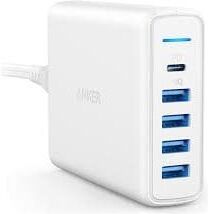
Anker PowerPort 60 W 6-Port Family-Sized Desktop USB Charger with PowerIQ Technology for Smartphones - White, NewThe Anker Advantage: Join the 10 million+ powered by Amazon's leading charging brand. Fast Charging Technology: PowerIQ and VoltageBoost combine to provide the fastest possible charge up to 2.4 amps per port or 12 amps overall (Qualcomm Quick Charge 2.0 not supported. For QC 2.0 charging, please see Anker's 18W USB Wall Charger). Ultra Powerful: 6 ports pump out 60 watts of power, enabling simultaneous multi-device charging. Certified Safe: Anker's MultiProtect safety system and UL certification ensure complete protection for you and your devices. Worldwide 100-240 volt AC input voltage What You Get: Anker PowerPort 6 (60W 6-Port USB Charging Hub), 5ft / 150cm detachable power cord, welcome guide, our fan-favorite 18-month warranty and friendly customer service.. Brand Anker Connectivity technology USB Connector type USB Type C Compatible devices Smartphones, Tablets, Laptop Compatible phone models All Smartphones Included components USB Cable Cable length 5 Feet Special feature Lightweight Design, Travel, Fast Charging Colour White Input voltage 100 Volts49,99 £*Shipping: 0,00 £Secure redirect to the provider
-
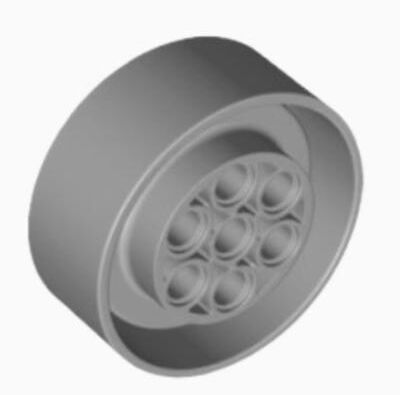
Lush Living Finds Perforated Brick Assembly Toy Accessories With Technology Mechanical Wheels Perforated Brick Assembly Toy Accessories With Technology Mechanical WheelsEnhance Creativity with Technology Mechanical Wheels Unlock the power of innovation with our technology mechanical wheels, designed specifically for perforated brick assembly toy accessories. Whether you are a hobbyist or a seasoned builder, these...43,97 $*Shipping: 0,00 $Secure redirect to the provider
-
Klutz: LEGO GadgetsThis activity kit will have you building 11 machines including a gravity powered car and a wacky boxing robot. The fun doesn't stop once you've completed all of the projects in the book - open-ended prompts will inspire you to continue experimenting...24,99 $*Shipping: 0,00 $Secure redirect to the provider
-
Sesderma Reti Age 5 Liposomal Serum Anti-Aging Innovation 30mLA facial serum for wrinkles and signs of ageing. Reduces wrinkles and fine lines. Hydrates and strengthens barrier. Restores youthful radiance. 5-Retinoid System: smooths wrinkles, accelerates renewal, and boosts collagen. Biomimetic Peptides: fill expression lines by stimulating collagen synthesis.53,26 £*Shipping: 5,22 £Secure redirect to the provider
-
What is an electrophilic reaction?
An electrophilic reaction is a type of chemical reaction where an electrophile, which is a species that seeks electrons, reacts with a nucleophile, which is a species that donates electrons. The electrophile accepts a pair of electrons from the nucleophile, leading to the formation of a new chemical bond. This type of reaction is common in organic chemistry and is often used to introduce new functional groups onto a molecule. **
-
Is water electrophilic or nucleophilic?
Water is considered nucleophilic because it has a lone pair of electrons on the oxygen atom, which can be donated to an electrophile in a chemical reaction. This lone pair of electrons allows water to act as a nucleophile, meaning it can attack positively charged or electron-deficient species in a chemical reaction. **
-
What is electrophilic addition in chemistry?
Electrophilic addition is a type of chemical reaction where an electrophile (an electron-deficient species) reacts with a nucleophile (an electron-rich species) to form a new molecule. This reaction typically occurs with unsaturated compounds like alkenes or alkynes, where the pi bond is broken and new sigma bonds are formed. Electrophilic addition reactions are commonly seen in organic chemistry and are important in the synthesis of various organic compounds. **
-
What are nucleophilic and electrophilic reagents?
Nucleophilic reagents are molecules or ions that are electron-rich and are attracted to electron-deficient sites in other molecules. They donate a pair of electrons to form a new covalent bond. Electrophilic reagents, on the other hand, are electron-deficient species that are attracted to electron-rich sites in other molecules. They accept a pair of electrons to form a new covalent bond. Both types of reagents play important roles in organic chemistry reactions by participating in bond formation processes. **
Similar search terms for Electrophilic
-
Hikmicro MINI2 V2 Thermal Imaging Camera for SmartphonesHikmicro MINI2 V2 Thermal Imaging Camera for Smartphones (Mini2-Series-V2) The Hikmicro MINI2 V2 Thermal Imaging Camera turns a smartphone into a professional thermal imager. With its high-resolution 256 x 192 VOx sensor (49,152 pixels) and SuperIR image enhancement, it produces clear thermal images for diagnostics, inspections and everyday problem-solving. Suited to HVAC engineers, electricians, plumbers, homeowners and hobbyists, the MINI2 V2 is compact, lightweight and battery-free, powered directly from the connected phone. It measures -20°C to 400°C for reliable results across a wide range of applications, with no screen of its own — all viewing and control happens through the smartphone via the HIKMICRO Viewer app. Key Features & Benefits High Thermal Resolution:186,00 £*Shipping: 0,00 £Secure redirect to the provider
-
Multisell Products Hub Magnetic Bottle Opener For Household Mineral Water Plastic Beverage Bottles And Cap Opening, Kitchen Accessories Gadgets whiteEffortless Cap Opening for Everyday Kitchens Upgrade your routine with this 1 pcs Kitchen Accessories Gadgets Magnetic Bottle Opener for Household Mineral Water Plastic Beverage Bottles and Cap Opening designed for convenience and comfort. It makes...34,97 $*Shipping: 0,00 $Secure redirect to the provider
-
YODN 260W 9R Moving Head Light Discharge Lamp for the Elumen8 R9 Beam FixtureNew YODN 260W 9R Moving Head Beam Beam Lamp Replacement (Bare Bulb). This reliable long life short arc lamp is perfect for moving head fixtures used in houses of worship, clubs, concerts, stage, theater, and more! The YODN R Series Beam lamps offer...68,99 $*Shipping: 0,00 $Secure redirect to the provider
-
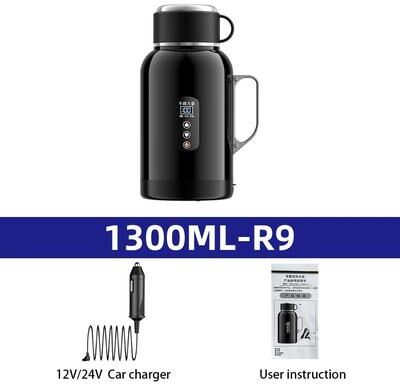
Uplifted Goods Auto Heating Travel Mug 12V 24V Thermal Insulated Car Cup 1300ml r9Keep your drinks warm on every drive with this auto heating travel mug 12V 24V thermal insulated car cup. Designed for use in trucks cars and other vehicles this cup heats beverages directly while reducing heat loss thanks to its insulated build....103,99 $*Shipping: 0,00 $Secure redirect to the provider
-
What is the electrophilic addition 6?
Electrophilic addition 6 is a chemical reaction in which an electrophile (an electron-deficient species) adds to a double bond, resulting in the formation of two new single bonds. This type of reaction is commonly seen in the addition of hydrogen halides (such as HCl or HBr) to alkenes. The electrophile (in this case, the hydrogen halide) is attracted to the electron-rich double bond and adds across it, breaking the π bond and forming two new σ bonds. This type of reaction is important in organic chemistry for the synthesis of various organic compounds. **
-
Why do aromatics not undergo electrophilic addition?
Aromatics do not undergo electrophilic addition because of their stability and the delocalization of their pi electrons. The delocalized pi electrons in the aromatic ring create a stable electron cloud, making it difficult for electrophiles to attack and break the aromatic system. Instead, aromatics typically undergo electrophilic substitution reactions, where an electrophile substitutes for a hydrogen atom on the aromatic ring, while the aromatic system remains intact. This stability and resistance to electrophilic addition is a key characteristic of aromatic compounds and is a result of their unique bonding and electron distribution. **
-
Doesn't electrophilic addition always occur during esterification?
No, electrophilic addition does not always occur during esterification. Esterification is a chemical reaction between an alcohol and a carboxylic acid to form an ester and water. This reaction involves the nucleophilic substitution of the hydroxyl group of the alcohol with the carboxyl group of the carboxylic acid, rather than electrophilic addition. The reaction is catalyzed by an acid, such as sulfuric acid or hydrochloric acid, which helps to protonate the hydroxyl group and make it a better leaving group. Therefore, esterification does not involve electrophilic addition. **
-
What is electrophilic aromatic substitution in double bonds?
Electrophilic aromatic substitution in double bonds is a chemical reaction in which an electrophile (an electron-deficient species) replaces a hydrogen atom on an aromatic ring that contains a double bond. This reaction is similar to electrophilic aromatic substitution in single bonds, but it specifically targets the double bond in the aromatic ring. The electrophile attacks the double bond, forming a new bond and displacing the hydrogen atom. This reaction is important in organic chemistry for the synthesis of various aromatic compounds. **
* All prices are inclusive of VAT and, if applicable, plus shipping costs. The offer information is based on the details provided by the respective shop and is updated through automated processes. Real-time updates do not occur, so deviations can occur in individual cases. ** Note: Parts of this content were created by AI.